Visa-free 90-day entry for Indian passport holders
About this region
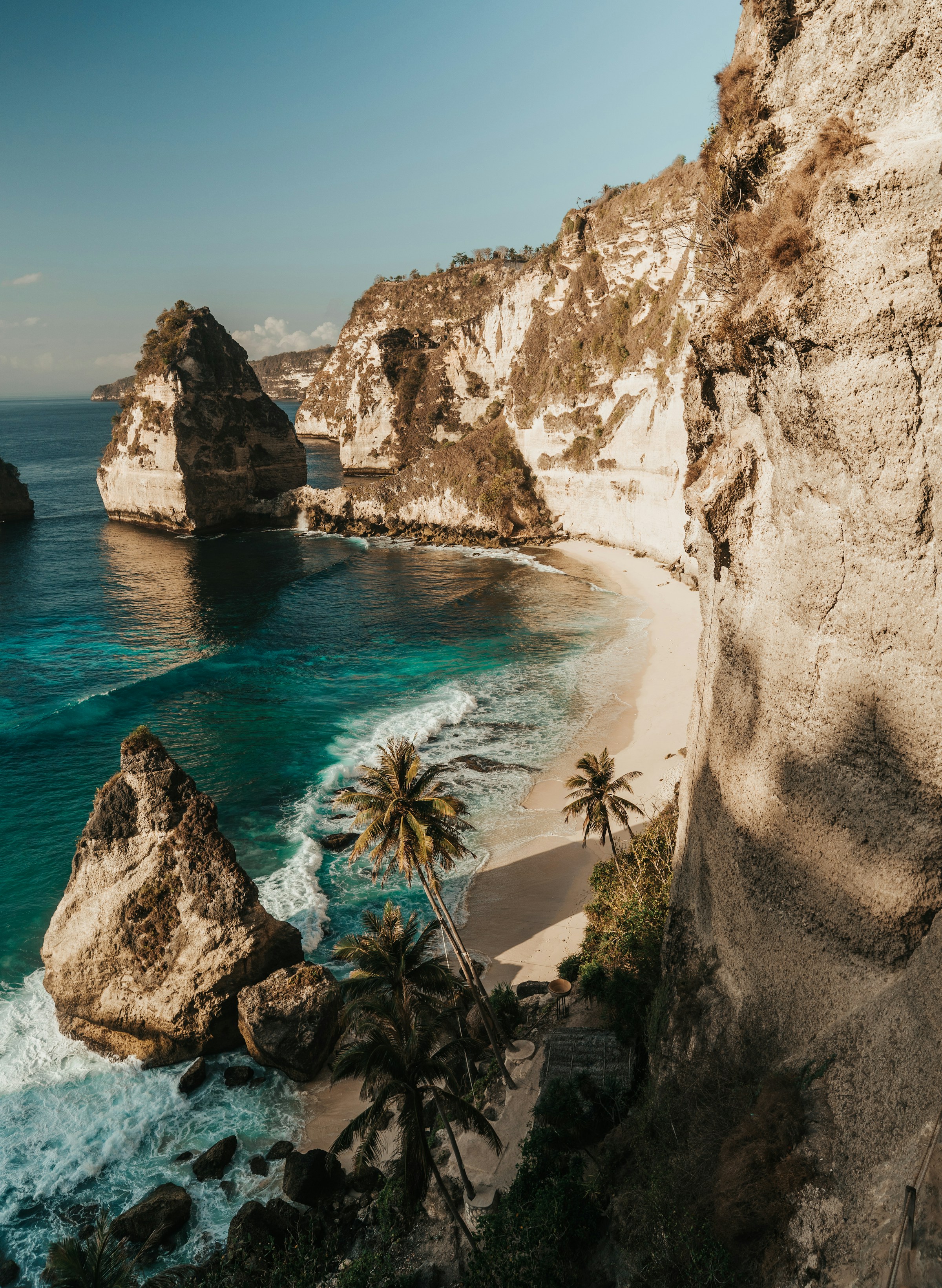
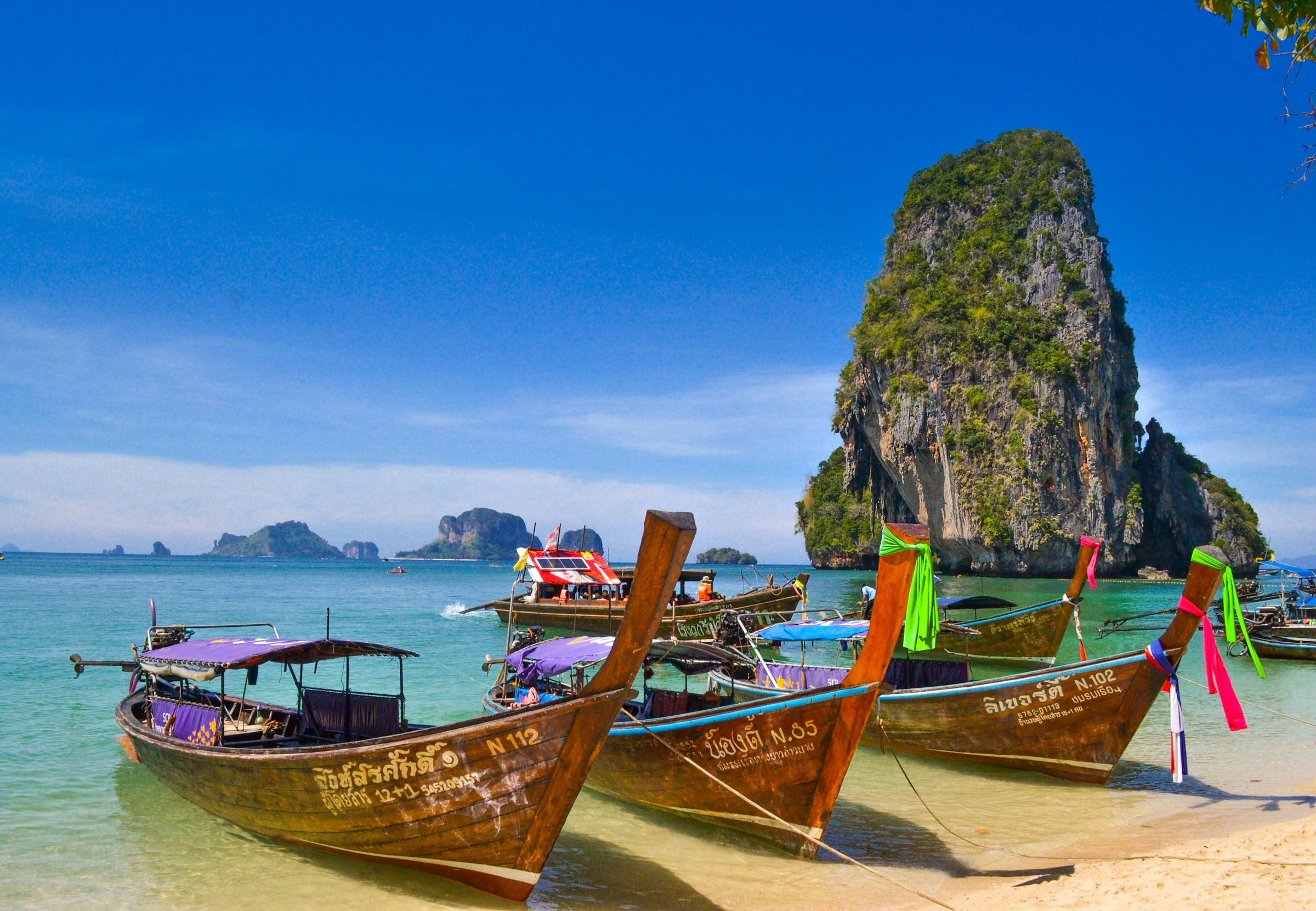
Seychelles is what happens when you scatter 115 islands across a quiet stretch of the western Indian Ocean and let geological time do the rest. The Inner Islands sit on a granite shelf — meaning the beaches don't look like other tropical beaches. Instead of palm-fringed white sand, you get colossal pink-grey granite boulders rolled smooth, framing inlets of impossibly turquoise water. La Digue's Anse Source d'Argent has been called the most photographed beach in the world for that reason. Add visa-free entry for Indians, 5-hour direct flights, and a much quieter, less commercialised feel than the Maldives, and Seychelles becomes the choice for couples who want the same luxury without the over-water-villa cliché. Seven to ten nights is the sweet spot — usually split across Mahé, Praslin and La Digue.
Seychelles has a year-round tropical climate — temperatures hover at 24–30°C every month. The best windows are **April–May** and **September–October** — both are transition months between monsoons, the seas are calm, snorkelling visibility is at its best, and rates are gentler than peak. December–March is the wet (north-west monsoon) season — warmer, calmer seas on the east coast, occasional heavy rain. June–August is the dry (south-east monsoon) — windier, choppier seas on the south coasts, slightly cooler nights, peak European holiday period.
Why we send guests here
Three things Seychelles does better than anywhere.
Direct flights ~5 hours from Mumbai (Air Seychelles, Emirates via DXB)
Anse Source d'Argent (La Digue)
world's most photographed beach
A taste of the trip
Four ways to see Seychelles.
Getting there
The practical bits.
Nearest airport
Mahé · SEZ
Then inter-island flight or speedboat.
Best transfer
Boat / island flight
Inter-island transfers included and timed to you.
Visa
No visa
Free Visitor’s Permit on arrival. Nothing to file.
Local currency
SCR · ₨
Resorts take USD/EUR/cards; rupees for local stalls.
Plug type
Type G
UK three-pin, 240V. Adapters in every welcome kit.
Tipping
Round up
Service usually included; round up if delighted.