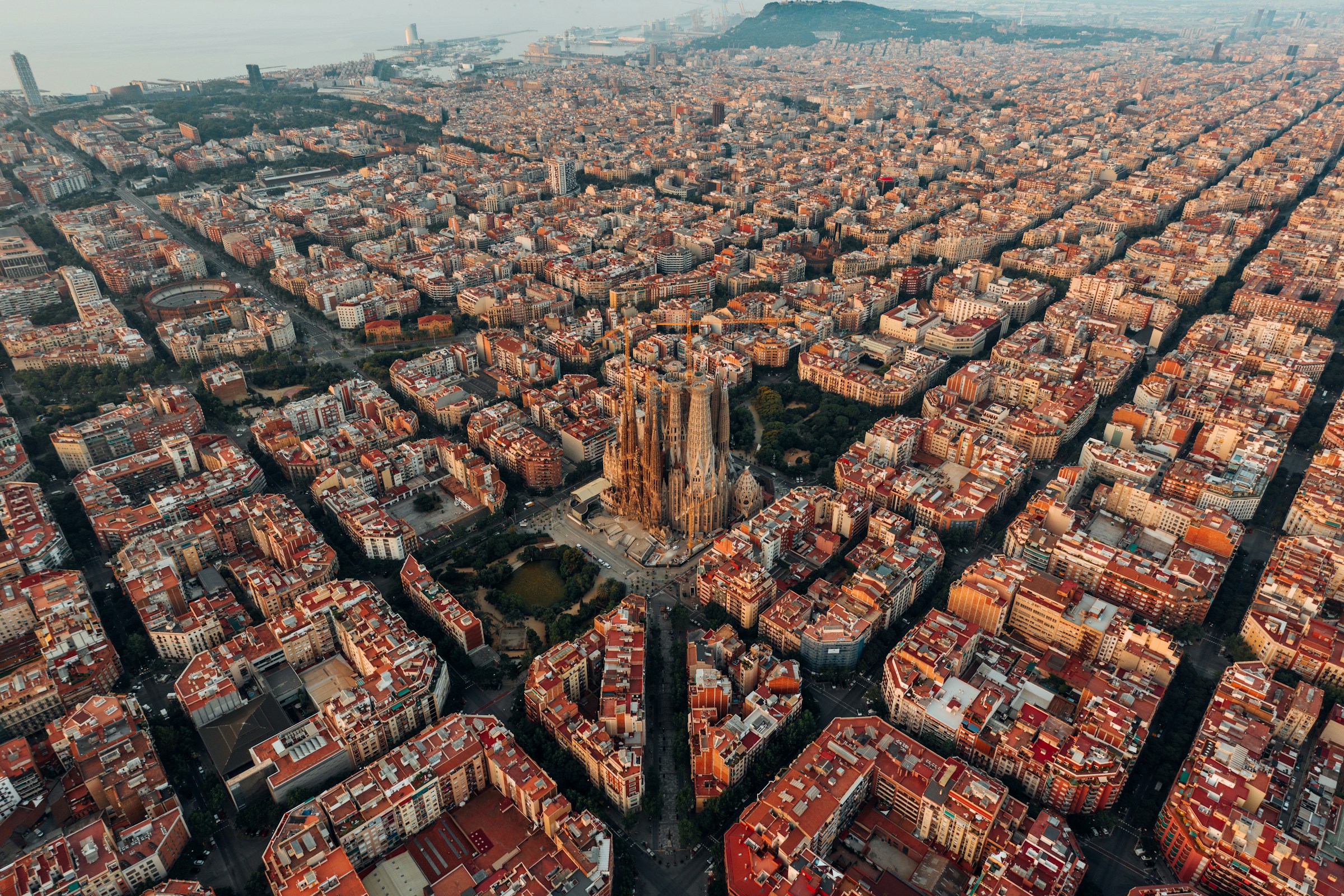
La Sagrada Família
Gaudí's masterwork, finally near completion
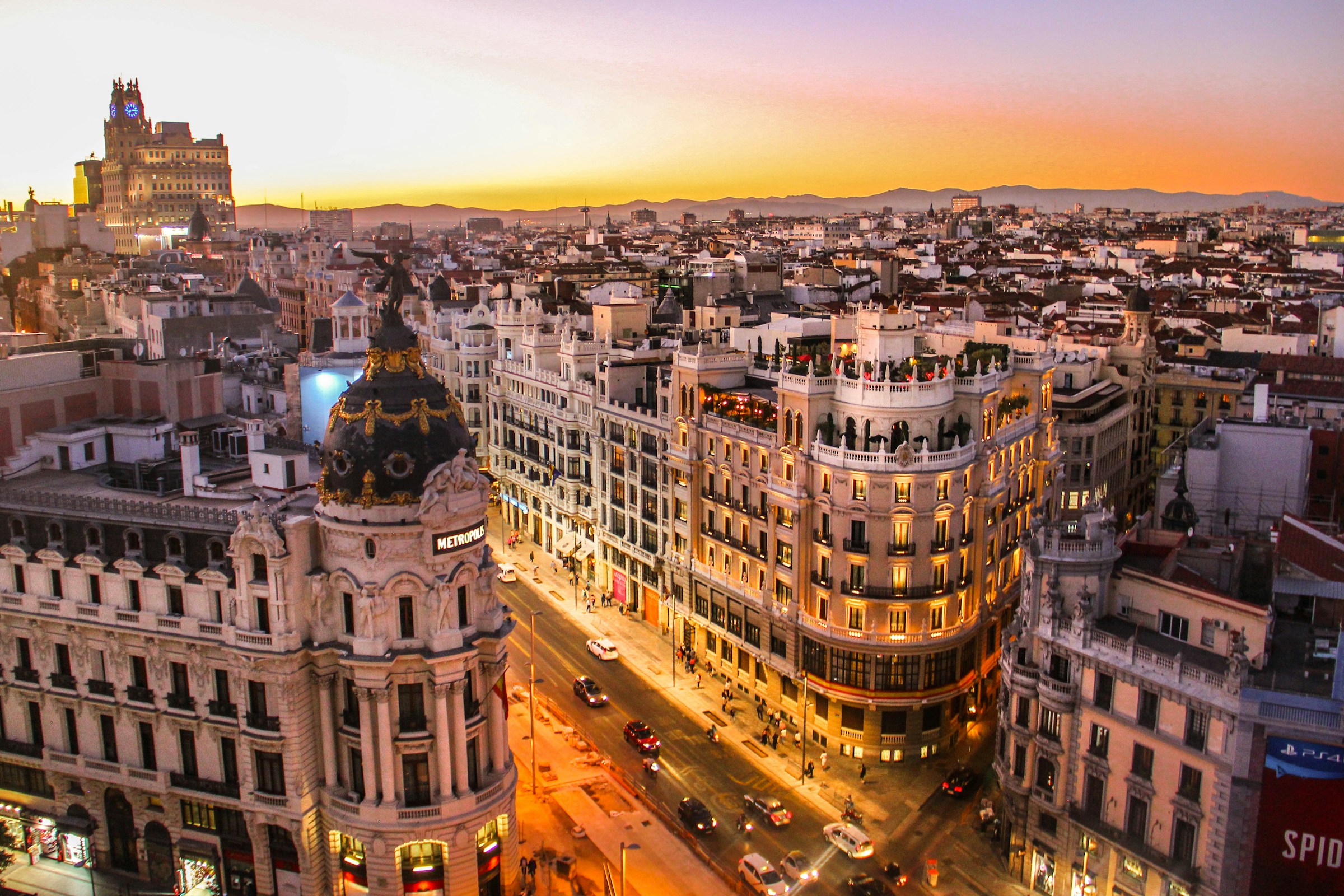
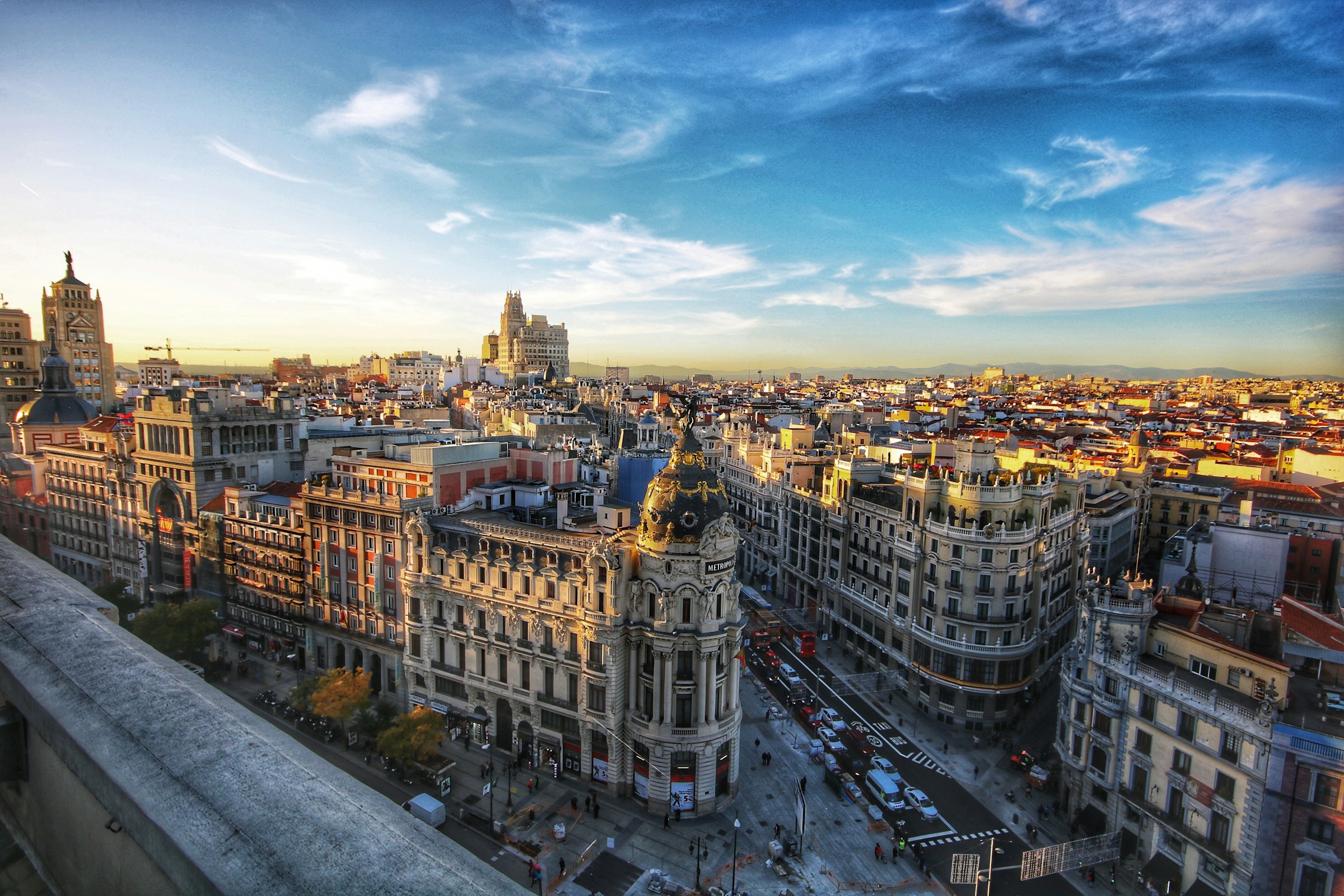
Spain doesn't run on European time — it runs on its own. Lunch is at three, the museums shut at eight, dinner starts at ten, and the bars are still alive at one. Once you sync to that rhythm, Spain becomes the easiest, most generous country in Europe to travel: tapas-bar dinners that turn into evenings, AVE bullet trains that whisk you Madrid–Seville in 2h 30m, Gaudí cathedrals that don't look like buildings, and an Andalusian palace (the Alhambra) that ruins all other palaces forever. For Indian travellers, Spain pairs naturally with Portugal, with France, or with a Schengen stopover — and the food is, quietly, one of the world's great kitchens.
April–early June and mid-September–October are perfect: 18–28°C, blue skies, manageable crowds. Andalusia in July–August hits 40–44°C and is brutal; the north (Bilbao, San Sebastián) and Catalonia stay tolerable. Easter (Semana Santa, late March / early April) in Seville is one of the world's great cultural events but you must book a year out. Winter is mild on the Costa del Sol; Madrid gets cold; the north gets rainy. Avoid August for Andalusia, and the first week of December (Spanish public holiday cluster).
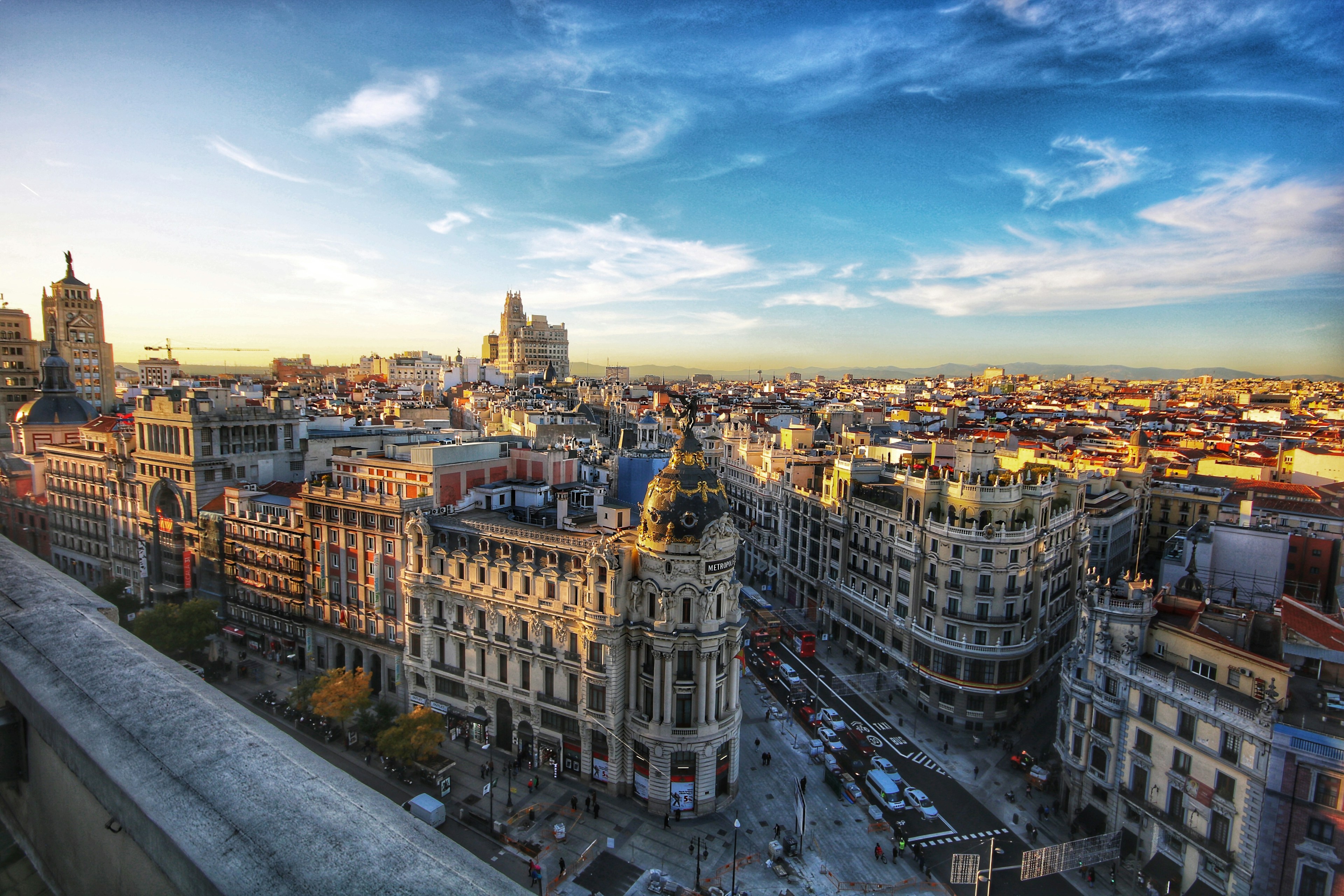
Gaudí's masterwork, finally near completion
Moorish architecture's peak
the small-plate evening
Or Barcelona · BCN. AVE rail links the cities.
Private car plus high-speed trains, pre-booked.
90 days for most passports. We handle the paperwork.
Cards everywhere; small cash for tapas bars.
Two-pin European, 230V. Adapters in every welcome kit.
Round up; not expected but always welcome.